5 Urgent Signs You Need Root Canal Treatment in Pune – Don’t Delay
By Dr. Jay Khatri | Wonder Smile Dental Clinic, Pimpri Chinchwad, Pune
Most people dread three words more than almost anything at the dentist: root canal treatment.
But here is the truth. The pain people fear from a root canal is almost always the pain they already have before treatment. A root canal does not cause pain. It ends.
More importantly, delaying root canal treatment can turn a manageable problem into a serious one. What starts as an infection inside a tooth can spread to the jaw, neighbouring teeth, and, in rare cases, even beyond. The sooner you act on the warning signs, the simpler, quicker, and less expensive the treatment.
In this blog, Dr. Jay Khatri from Wonder Smile, Chinchwad, walks you through the five most important signs that your tooth may need a root canal, so you know when to stop waiting and pick up the phone.
What Is a Root Canal and Why Is It Done?
Inside every tooth is a soft layer called the pulp. The pulp contains nerves, blood vessels, and connective tissue. When bacteria enter the tooth through deep decay, a crack, or an old filling, this pulp becomes infected and inflamed.
A root canal removes the infected pulp, cleans the inside of the tooth, and seals it. The tooth is then usually protected with a crown. The goal is simple: save your natural tooth, stop the infection, and eliminate your pain.
It is one of the most routine dental procedures performed, and with modern anaesthesia, most patients find it no more uncomfortable than having a filling done.
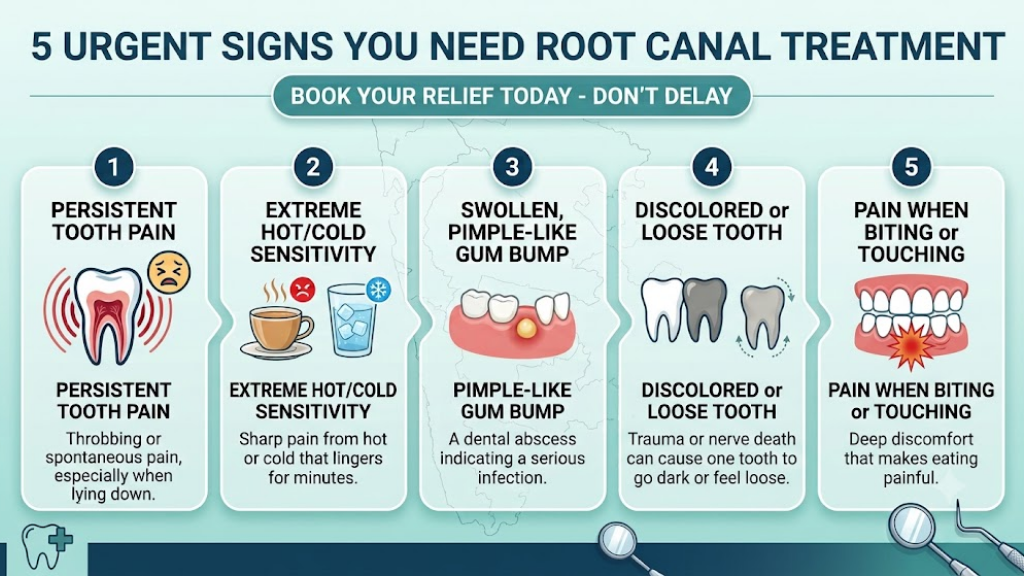
Sign 1: Persistent Tooth Pain That Will Not Go Away

This is the most common reason people finally come in.
Persistent tooth pain, especially that worsens over time or with pressure, is a primary indicator that a root canal might be needed.
The pain may be dull and throbbing, or sharp and sudden when you bite down. It may feel like it is coming from deep inside the tooth, or it may seem to radiate to your jaw, ear, or even other teeth. You may feel the pain deep in the bone of your tooth. Or you may feel referred pain in your face, jaw, or in your other teeth.
The key difference between normal tooth sensitivity and the kind that needs attention is persistence. Normal sensitivity from a cold drink usually fades in seconds. Pain that lingers for minutes, or that comes back day after day without a clear trigger, is your tooth asking for help.
What you should do: Do not take painkiller after painkiller hoping it will resolve on its own. If the pain keeps returning, it needs to be evaluated, not managed with medication.
Sign 2: Prolonged Sensitivity to Hot or Cold

If sipping a hot chai or eating ice cream causes a sharp jolt of pain that lingers well after you have swallowed, pay attention.
Unlike typical tooth sensitivity, the discomfort related to a potential root canal may linger even after the hot or cold source is removed. This prolonged sensitivity is a key indicator that the inner layers of your tooth may be compromised.
Healthy teeth react briefly to temperature extremes. A tooth with damaged or infected pulp reacts more intensely, and keeps reacting long after the stimulus is gone.
Many patients in Pune describe this as “the sensitivity that just does not stop.” It may start mild and easy to dismiss, but this sensitivity starts mild but can worsen over time, and it rarely resolves without treatment.
What you should do: Make a note of which tooth is reacting and how long the sensitivity lasts. Bring this information to your dental appointment, it helps your dentist narrow down the source quickly.
Sign 3: Swollen Gums or a Pimple-Like Bump Near the Tooth
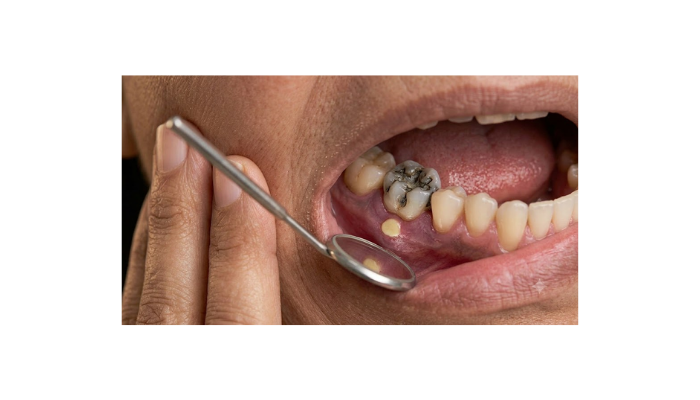
Swelling around a tooth is never something to ignore.
Inflammation around the affected tooth is a potential sign you need a root canal. Swollen, red, or tender gums can indicate that the infection has spread beyond the tooth’s root.
You may also notice a small raised bump on the gum near the painful tooth. A pimple-like bump on your gum is a dental abscess and is an indication of a severe infection in the area of your tooth where the sensitive inner layer contains arteries and nerve endings. This results in deep pockets of pus forming around the tooth root.
This bump, called a fistula, may sometimes drain on its own, which can temporarily reduce the pain. This does not mean the problem has been resolved. It means the infection has found a release valve. The underlying infection is still active and still spreading.
In addition to being incredibly painful, you may also experience symptoms like facial swelling, swollen lymph nodes, and a fever. If the swelling has spread to your face or neck, seek care the same day, this is a dental emergency.
What you should do: Any facial or gum swelling that is new, spreading, or accompanied by fever should prompt an immediate dental visit. Do not wait for a scheduled appointment.
Sign 4: Tooth Discolouration — One Tooth Going Dark or Grey
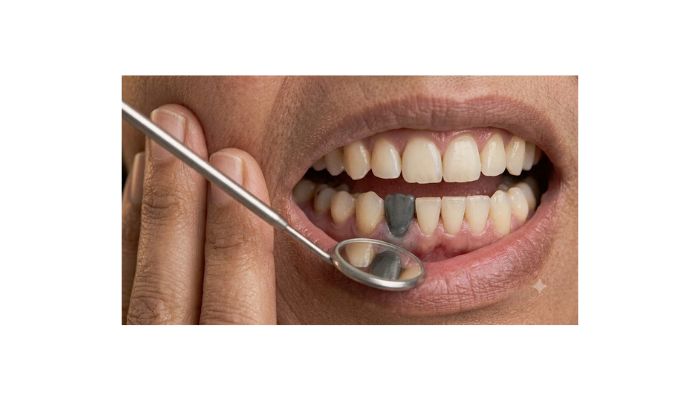
This is a sign many people miss because it is not painful, at least not initially.
Those in need of root canal treatment may start to notice changes in the colour of their teeth, greying or darkening of the tooth’s surface
A tooth turns dark when the pulp inside begins to break down. The internal tissue dies slowly, and the discolouration seeps through to the outer surface of the tooth. A tooth that appears darker than the others may have internal damage. This happens when the pulp begins to break down, often due to trauma or untreated decay.
People often assume the darkness is a stain from food or drink and ignore it. But if only one tooth has changed colour, especially after a past injury or a tooth that had a large cavity, it is worth getting an X-ray to see what is happening inside.
What you should do: If you notice a single tooth darkening, bring it up at your next dental visit even if you have no pain. An X-ray will confirm whether the pulp is affected.
Sign 5: Pain When Biting Down or Touching the Tooth
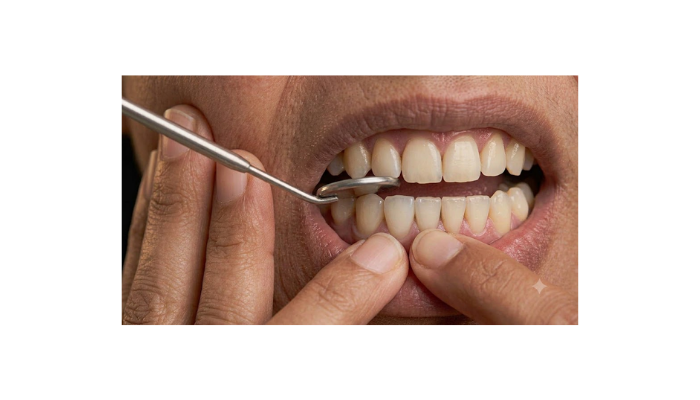
A tooth that hurts every time you eat, or that you find yourself chewing around without even realising it, may have infected or dying pulp.
If you experience pain when biting down or touching a specific tooth, it could indicate damage to the root. This discomfort is often caused by infection or inflammation inside the tooth where the nerves and pulp are located.
This symptom often appears alongside others on this list, sensitivity, swelling, or dull ache. But sometimes, pressure pain is the first and only sign. A tooth that reacts to the lightest touch, or that feels different when you bite down on that side, should not be dismissed as a minor inconvenience.
When your tooth is infected, it may feel looser. Acidic waste products from nerve death can soften the bone around the root of a dying tooth, causing mobility. If a tooth feels even slightly loose alongside any pain, that is an urgent signal.
What you should do: Avoid chewing on that side and book a dental appointment as soon as possible.
What Happens If You Delay Root Canal Treatment?
This is important to understand, dental infections do not resolve on their own.
If left untreated, the tooth may become extremely painful and the infection may spread into the bones that support your teeth, which is a serious problem. Once the infection spreads to the bone, treatment becomes significantly more complex and expensive.
In worst-case scenarios, the tooth cannot be saved and must be extracted. Replacing a lost tooth, with an implant or bridge, costs far more than treating it in time. Replacing the tooth with an implant or bridge costs ₹20,000–₹60,000 or more. A root canal treatment in Pune, by comparison, costs from ₹2,000 to ₹15,000 depending on the tooth and complexity.
Treating it early is always easier, faster, and more affordable.
Is Root Canal Treatment Really That Painful?
This is one of the most common fears, and one of the most outdated.
“A root canal treatment shouldn’t be any more painful than having a cavity filled or tooth extracted,” according to dental experts at Harvard Health. Modern anaesthesia means you are numb throughout the procedure. Most patients feel pressure, not pain, during treatment and notice significant relief within a day or two.
The pain you fear from a root canal is almost always the pain you are already feeling before you come in. The procedure ends it.
Root Canal Treatment at Wonder Smile, Pune
At Wonder Smile in Chinchwad and Wakad, Pune, root canal treatments are performed with modern rotary endodontic equipment, digital X-rays, and a focus on patient comfort throughout.
Dr. Jay Khatri and the team take time to explain every step before beginning. Whether you are coming in with acute pain or a concern you have been putting off, you will receive an honest assessment and a clear treatment plan.
If you are experiencing any of the five signs above, or if something just feels different about a tooth, do not wait.
Book your appointment today at Wonder Smile. Early treatment protects your tooth, ends your pain, and saves you money.
📍 101, Gokhale Plaza, Station Road, Chinchwad, Pune — 411033.
📞 +91-9422011253 | +91-9890373745
📍 Also available in Wakad — +91-9226196636
Frequently Asked Questions (FAQs)
Q1: Is a root canal treatment painful?
A: No, modern root canal treatment is not painful. Thanks to advanced local anesthesia and rotary endodontic equipment used at clinics like Wonder Smile, the procedure feels no more uncomfortable than getting a standard filling. A root canal actually relieves the severe pain caused by the infected tooth pulp.
Q2: What happens if I delay a recommended root canal?
A: Dental infections do not clear up on their own. Delaying a root canal allows the infection to spread from the tooth’s internal pulp to the surrounding jawbone, neighboring teeth, and tissues. This can cause severe abscesses, facial swelling, or bone loss, eventually forcing a tooth extraction.
Q3: How much does a root canal treatment cost in Pune and Pimpri Chinchwad?
A: In Pune, the cost of a root canal treatment generally ranges from ₹2,000 to ₹15,000, depending on the complexity and the specific tooth involved. Catching it early is highly cost-effective, as replacing a lost tooth with a bridge or implant later can cost between ₹20,000 and ₹60,000 or more.
Q4: Can a single tooth turning dark or grey mean I need a root canal?
A: Yes. When a single tooth starts darkening or turning grey, it usually means the internal pulp and nerve tissue are breaking down or dying, often due to deep decay or a past physical injury. Even if the tooth doesn’t hurt initially, it is a clear warning sign that requires an X-ray evaluation.