7 Best Alternatives to Teeth Gap Bands That Actually Work in 2026
Closing gaps between teeth with DIY elastic bands is risky and can lead to tooth loss. Here are 7 clinically proven, safe alternatives available at Wonder Smile in Chinchwad that deliver lasting results without compromising your oral health.
Recently, DIY orthodontic trends have surged across social media platforms, with small elastic loops known as “teeth gap bands” being marketed as a quick, cheap, and unmonitored method to pull teeth together at home. While the promise of an inexpensive fix is undeniably appealing, orthodontic movement requires precise biochemical control. Attempting to force teeth into new positions without clinical supervision presents profound risks to long-term oral health.
Clinical Insight: In clinical practice, dentists and orthodontists frequently encounter the catastrophic consequences of DIY elastic bands. Because these bands are completely unanchored, they possess a dangerous tendency to slide upwards along the tapered roots of the teeth, slipping beneath the gum line. Once trapped inside the periodontal tissues, they act like a tourniquet, cutting off the blood supply, destroying the supporting bone structure, and ultimately causing otherwise healthy teeth to fall out.
When considering spaces in your smile, the focus must shift away from hazardous home remedies toward safe, evidence-based methods that preserve tissue integrity. Modern dentistry offers multiple clinical pathways to eliminate gaps smoothly, predictably, and safely. Depending on your specific alignment, budget, and treatment timeline, several reliable options exist to achieve the desired aesthetic balance.
The Biological Realities of Closing Teeth Gaps Safely
To appreciate why professional alternatives are necessary, it helps to understand how teeth actually move. A tooth is not simply stuck in the jawbone like a nail in wood; it is suspended within a dynamic network of fibres called the periodontal ligament. When a controlled, gentle force is applied professionally, bone is naturally broken down on one side of the tooth and rebuilt on the other.
Unregulated forces, such as those exerted by elastic gap bands, exert excessive, continuous pressure. This raw tension stresses the ligament rapidly, cutting off local blood circulation and potentially triggering external root resorption, a painful condition where the body rejects and destroys its own tooth roots.
A Real Patient Perspective: Consider a young college student in Mumbai who felt self-conscious about a 2mm gap between her front teeth before attending campus interviews. Eager for a quick, private fix, she considered buying cheap gap bands online. However, after learning that unmonitored pressure could permanently destabilise her teeth and lead to costly emergency bone grafting, she opted for a safe clinical approach that respected her budget and long-term health.
7 Professional Alternatives to Teeth Gap Bands
The field of advanced dentistry provides versatile, customisable options to rectify spacing issues safely. Below are seven of the most reliable and clinically sound alternatives available today.
1. Composite Dental Bonding

For individuals seeking immediate results without altering the natural position of their teeth, composite bonding stands out as a highly conservative and efficient solution. This process involves the meticulous application of a tooth-coloured composite resin directly to the sides of the teeth flanking the gap. The material is sculpted artistically by the dental clinician to naturally widen the teeth, effectively closing the space.
A major advantage of this approach is that it can usually be completed in a single clinical visit. It requires virtually no removal of natural enamel, making the process completely reversible. While composite resin can absorb stains over time from deeply pigmented foods and beverages, regular polishing and good oral hygiene allow it to remain highly aesthetic for several years.
2. Porcelain Veneers
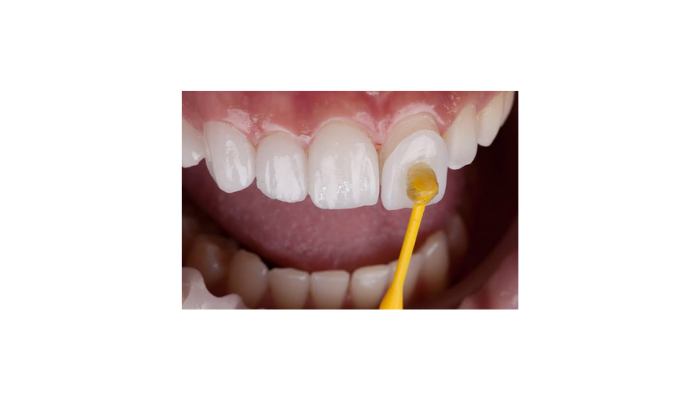
When a gap is accompanied by issues like chipping, intrinsic discoloration, or irregular tooth shapes, ceramic veneers offer a highly durable and aesthetic upgrade. Veneers are custom-fabricated, ultra-thin shells of dental porcelain designed to cover the front surfaces of the teeth.
Unlike composite materials, high-quality porcelain mimics the translucent properties of natural enamel flawlessly and is exceptionally resistant to staining. Preparing a tooth for a traditional veneer involves removing a microscopic layer of enamel to ensure a flush, natural fit. This option provides a long-lasting transformation that maintains its brilliance for over a decade with standard routine care.
3. Clear Aligners
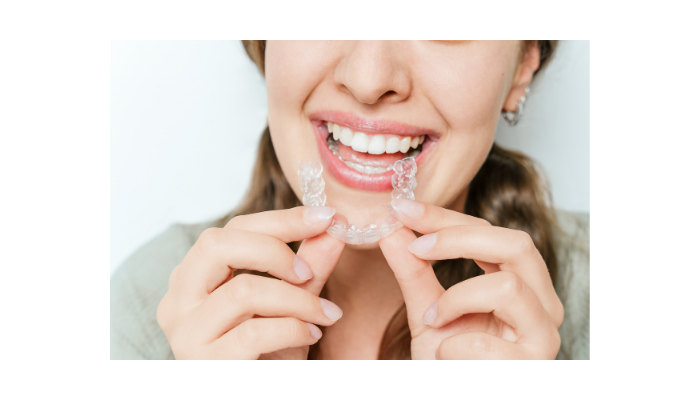
If the gap is part of a broader misalignment or bite issue, clear aligners represent the modern standard for discreet orthodontic movement. This system utilizes a sequence of custom-made, transparent plastic trays that apply calibrated, low-intensity forces to guide teeth into pre-planned positions.
Aligners are fully removable, allowing patients to maintain their normal dietary habits and practise thorough brushing and flossing without the impediment of fixed metal components. For urban professionals and students managing busy schedules, clear aligners offer a highly predictable and invisible journey to a balanced smile, fully monitored via regular clinical checkpoints.
4. Traditional Orthodontic Braces
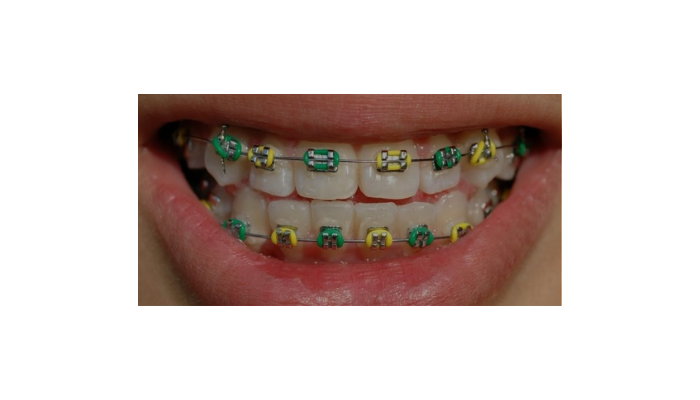
Conventional fixed braces remain one of the most structurally reliable orthodontic mechanics available globally. Utilizing a system of metal or ceramic brackets bonded to the teeth and interconnected by specialized archwires, traditional braces give clinicians absolute, three-dimensional control over complex tooth movements.
While often chosen for larger gaps or structural bite corrections involving family-wide healthcare decisions, modern brackets are significantly smaller and more streamlined than those used in decades past. Choosing ceramic, tooth-coloured brackets further reduces the visual impact of the treatment while delivering excellent structural results.
5. Lingual Braces
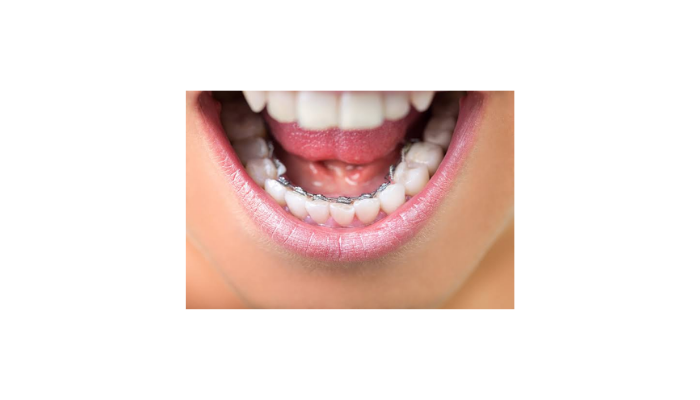
For individuals who require the robust, comprehensive movement of traditional braces but demand complete aesthetic discretion, lingual braces are an exceptional alternative. These appliances work on the exact same mechanical principles as standard braces, but the brackets and wires are bonded exclusively to the back surfaces of the teeth, completely hidden from public view.
Because they face the tongue, lingual braces require a brief adaptation period for speech and tongue comfort. However, they offer a completely invisible treatment window, ensuring that neither colleagues nor friends can see the appliance during normal conversation.
6. Minimal-Preparation or “No-Prep” Veneers
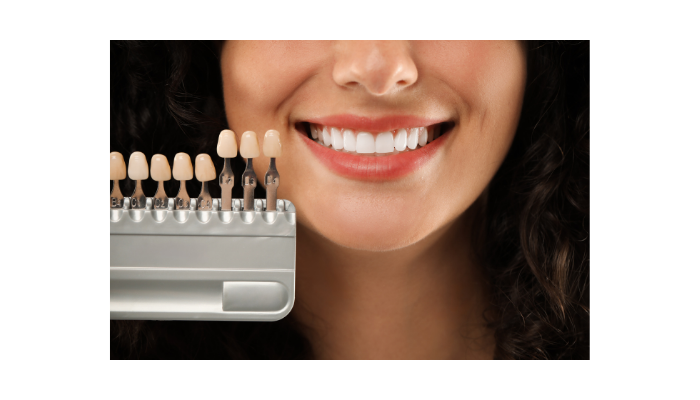
Patients are sometimes surprised to learn that certain types of porcelain veneers can be placed without any structural reshaping of the underlying teeth. Often referred to as ultra-thin or minimal-preparation veneers, these specialized restorations are engineered to be as thin as a contact lens.
They are bonded directly over the existing enamel, adding just enough width to close the space seamlessly. This technique preserves the natural tooth structure entirely, ensuring that if the restorations are ever removed in the distant future, the underlying natural enamel remains fully intact and healthy.
7. Frenectomy (Interdisciplinary Intervention)
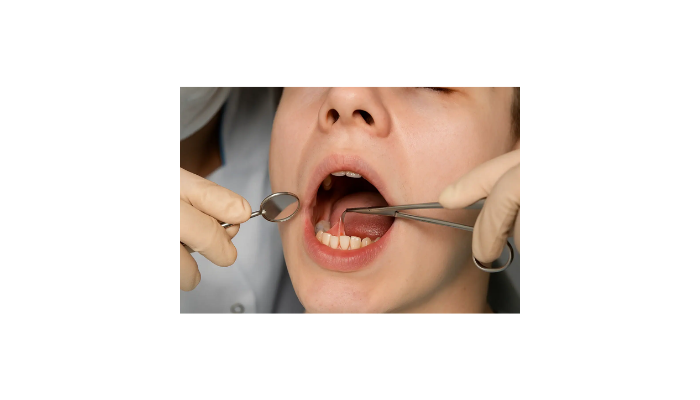
In many instances, a persistent gap between the two upper front teeth is caused by an anatomical structure called a labial frenum, a small fold of tissue connecting the lip to the gum line. When this tissue attaches too low or is unusually thick, it acts like a physical wedge, forcefully keeping the front teeth apart.
If a low frenum attachment is the root cause, orthodontic treatment alone may fail, as the elastic tissue will simply push the teeth apart again once braces are removed. A frenectomy is a minor, quick in-office procedure where a dentist uses a precise laser to release or modify this muscle attachment. When combined with minor cosmetic or orthodontic alignment, it ensures that the closed gap stays closed permanently.
Addressing Practical Patient Concerns
When evaluating professional alternatives, healthcare consumers naturally weigh factors like treatment costs, discomfort, and overall duration. It is completely understandable to feel hesitant about long orthodontic timelines. However, modern dentistry has evolved to provide clear options tailored to diverse lifestyles and budgets.
For instance, composite bonding addresses the need for an immediate, budget-conscious change, while clear aligners satisfy the preference for a lifestyle-friendly, discreet journey. While every case is unique and depends heavily on individual bone density and anatomy, selecting a safe clinical pathway ensures that your investment yields a stable, predictable outcome without jeopardising the survival of your teeth.
Conclusion: Prioritising Long-Term Dental Stability
Attempting to close dental gaps using unmonitored home tools like DIY elastic gap bands represents a severe gamble with your oral health. What appears to be an affordable shortcut can easily culminate in permanent bone loss, severe tissue infections, and early tooth loss. True dental wellness and aesthetic harmony are achieved when treatments respect the underlying biological systems of your mouth.
At Wonder Smile Dental Clinic, our philosophy focuses on delivering patient-centred, evidence-based care that places your health and safety at the absolute forefront. By combining modern clinical expertise with advanced cosmetic and orthodontic modalities, we craft customised treatment pathways tailored perfectly to your lifestyle, biological needs, and budget. Partnering with a dedicated professional team allows you to navigate your smile goals with complete clarity, absolute safety, and predictable excellence.
Frequently Asked Questions (FAQ’s)
Why are DIY teeth gap bands considered dangerous by dental professionals?
DIY gap bands lack anchorage and structural control. They can easily slide upward beneath the gum tissue along the roots of the teeth. Once lodged, they destroy the periodontal ligament and supporting bone, leading to severe infection, root damage, and unpredictable tooth loss.
What is the fastest safe way to close a gap between front teeth?
Composite dental bonding is the fastest professional method, typically completed in a single clinical appointment. The dentist applies a tooth-coloured composite resin directly to the teeth to close the space immediately without damaging your natural enamel.
Can clear aligners close a large midline diastema?
Yes, clear aligners are highly effective at closing midline diastemas and general spacing issues. The treatment involves a custom-engineered sequence of removable trays that apply precise, gentle pressure to guide teeth safely into their ideal positions under regular clinical oversight.