Chat on WhatsApp

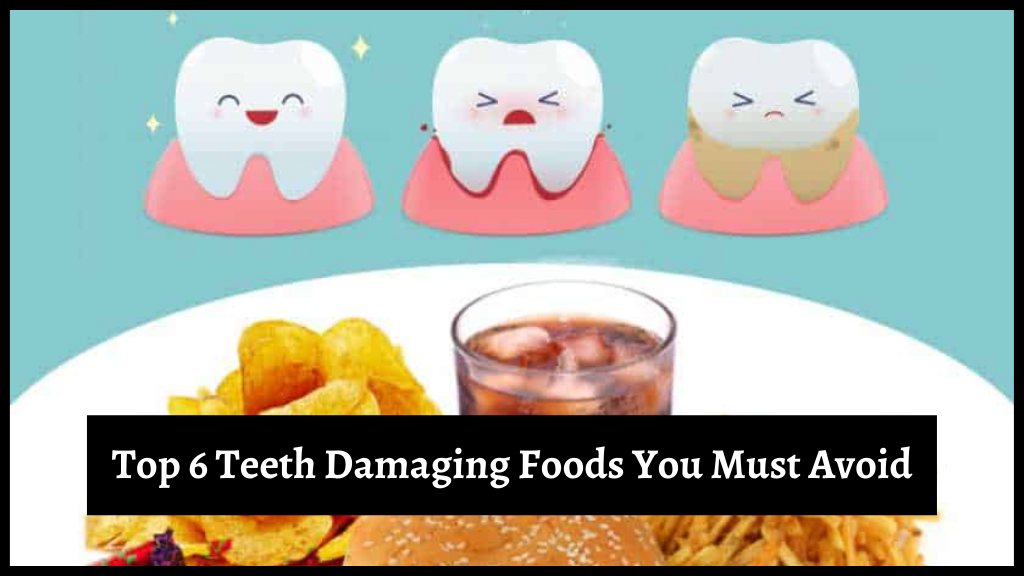
Top 6 Teeth Damaging Foods You Must Avoid

Enquiry Now

    Acne treatment in Dubai

    Acne is more than just a skin issue. It can hurt your self-confidence and affect your daily life. Dr Catherine Borysiewicz knows how important skin health is and offers care that helps with both the physical and emotional effects.

    Whether you are a teenager experiencing your first breakout or an adult dealing with persistent hormonal acne, finding the Best acne treatment in Dubai is essential to achieving clear skin and preventing long-term scarring.

    Dr Catherine Borysiewicz, a London-trained consultant dermatologist with years of experience, provides a world-class, medical-led approach to acne treatment Dubai. By combining her deep understanding of skin biology with advanced technologies, she creates personalised pathways to restore your skin’s health.

    What is Acne?

    Acne is a long-lasting skin problem that happens when hair follicles are blocked by oil and skin cells. It affects not only teenagers but also many adults in their 30s, 40s, and 50s. Effective acne treatment in Dubai requires a specialist who understands that every patient’s skin is unique.

    What are the causes of acne?

    To provide the best treatment for acne in Dubai, it is vital to identify the root cause. The primary triggers include:

    What are the symptoms of acne?

    Acne symptoms are different for everyone and can change depending on how severe the breakout is. You might notice:

    What are the types of acne?

    Understanding your specific type is the first step toward effective acne treatment in Dubai. Dr Catherine treats all forms, including:

    • Comedonal acne: Blackheads and whiteheads.

    • Inflammatory acne: Papules and pustules.

    • Cystic and nodular acne: Severe, deep, painful lesions that are most likely to cause scarring.

    • Hormonal acne: Typically appearing along the jawline and chin in adults.

    How is acne diagnosed?

    As the best dermatologist in Dubai for acne, Dr Catherine performs a comprehensive clinical evaluation. Diagnosis involves:

    Best treatment for acne in Dubai

    Dr Catherine Borysiewicz offers a “Gold Standard” range of acne treatment methods that bridge the gap between medical science and aesthetic excellence.

    Medical prescriptions

    For moderate to severe acne, treatments may include topical retinoids, benzoyl peroxide, or oral medicines like antibiotics or Isotretinoin/Roaccutane. Dr Catherine carefully monitors patients using these strong treatments.

    Laser acne treatment Dubai

    If you want a drug-free option or better results, acne laser treatment can make a big difference.

    • AviClear: Experience the future of clear skin with a revolutionary laser acne treatment in Dubai. This advanced technology specifically targets the sebaceous glands to reduce oil production in the long term, effectively stopping breakouts at their source.

    • Vascular lasers: Used to target the redness (erythema) associated with active acne.

    • Laser resurfacing: If you have acne scars, CO2 or fractional lasers can help rebuild collagen and improve your skin’s texture.

    Chemical peels and clinical facials

    By utilising medical-grade chemical peels with salicylic or glycolic acid, we effectively dissolve dead skin cell buildup and clear out congested pores, significantly lowering the frequency of future breakouts.

    Prevention of acne

    Maintaining clear skin after successful acne treatment in Dubai requires a proactive approach:

    Why choose Dr Catherine Borysiewicz?

    If you are looking for the best acne treatment in Dubai, Dr Catherine offers an unrivalled level of care. Her London-standard expertise ensures that your treatment is safe, ethical, and effective.

    She doesn’t just treat the symptoms, she addresses the underlying biological cause to prevent future breakouts and protect your skin. Book your consultation with the best dermatologist in Dubai for acne today.

    FAQs

    How long does it take to see results from acne treatment?

    Most acne treatments in Dubai require 6 to 8 weeks to show significant improvement, as this aligns with the natural skin cell turnover cycle. Consistency is key to success.

    Modern acne laser treatments are made to be comfortable. Most people feel a snapping sensation or mild warmth. Dr Catherine uses cooling technology to make sure the procedure is easy to handle.

    Yes. While diet is not the only cause, high-sugar foods and some dairy can trigger inflammation in some people. Dr Catherine also gives advice on lifestyle changes as part of your treatment.

    Absolutely. Once the active acne is under control, Dr Catherine offers a variety of methods, including laser acne treatment and microneedling, to significantly reduce the appearance of atrophic or hypertrophic scars.

    Over-the-counter products are often too weak for persistent acne or may contain irritating ingredients that worsen the condition. A skin specialist in Dubai can provide medical-grade treatments that are more effective and tailored to your specific skin biology.

    According to the Centers for Disease Control and Prevention, cavities are one of the most common problems among children. Some other problems such as pain, chewing problems, and abscess formation are also commonly heard of in adults these days. But what leads to all of them? Two prevalent reasons. Number one is poor dental hygiene, and number two is the consumption of teeth-damaging foods.

    Our dentist in Pimpri Chinchwad has found some common food types leading to teeth damage. Here is a list.

    Sugary Foods

    Sugary foods stick on enamel and cause bacterial germination, leading to plaque formation, cavities, and tooth decay. Thus, sugary food is not only bad for health but teeth also.

    Oily Foods

    Oily food coats teeth with an oily film that hampers enamel over time. Along with other food items, it sticks on teeth, but for longer, giving the dirt passage to the dental crevices, which is not so easy to clean. Hence, consuming oily foods hampers oral hygiene in the long term.

    Carbonated Drinks

    Carbonated/ Aerated drinks should be strictly avoided because, firstly, they are concentrated sugar solutions that lead to tooth decay. Secondly, their carbonated content is very harsh on teeth and erodes enamel and dentine, causing tooth sensitivity. If you crave to have a drink, you must use a straw to bypass your teeth.

    Alcohol

    Alcohol is a fermented compound that causes dry mouth. It also makes the mouth susceptible to cancer. And regular alcoholic consumption converts to an irresistible habit, which is bad both for health and teeth. Hence, this practice must be discontinued.

    Bread

    Bread dissolves in saliva and converts to starch. Chewing bread quickly converts starch into sugars that remain stuck in teeth and form breeding grounds for bacterial germination. Hence, refined flour bread should be avoided and instead, whole grain bread must be preferred with lower starch content and does not convert to sugar easily.

    Citrus Fruits

    Citrus fruits are good for teeth and gums, aren’t they? Well, it is not always true. Sometimes drinking your favorite orange juice or eating fresh tangerine fruit leads to the sizzling sensation of teeth called sensitivity. This is because the acidic content erodes enamel and exposes the dentine, which gives sensitivity in contacting acidic flush. Therefore, citrus fruits essentially must be consumed in moderation, and straws must be used to omit teeth contact.

    There are other foods, such as ice, refined carbs, potato chips, etc., which are regularly consumed but, in turn, they damage teeth. Therefore, these foods must be consumed in moderation and with caution to have the least negative effect on your smile.