Do Braces Hurt? Your Day-by-Day First Week Survival Guide
Short answer: braces don’t hurt when they go on. But the days after? That’s a different story.
If you’re about to get braces, or you just got them, you’re probably wondering what’s normal and what’s not. This guide walks you through exactly what to expect, day by day, plus the relief tips and food swaps that make the first week easier.
In this guide:
- Does getting braces hurt?
- Day-by-day: your first week
- Why braces cause soreness
- How to relieve braces pain
- Using orthodontic wax
- What to eat (and avoid) this week
- When to call your orthodontist
Do Braces Hurt When They're Put On?
No. Putting braces on doesn’t hurt at all. Your orthodontist is just bonding brackets to your teeth and threading a wire through them, there’s no cutting, no needles, nothing invasive.
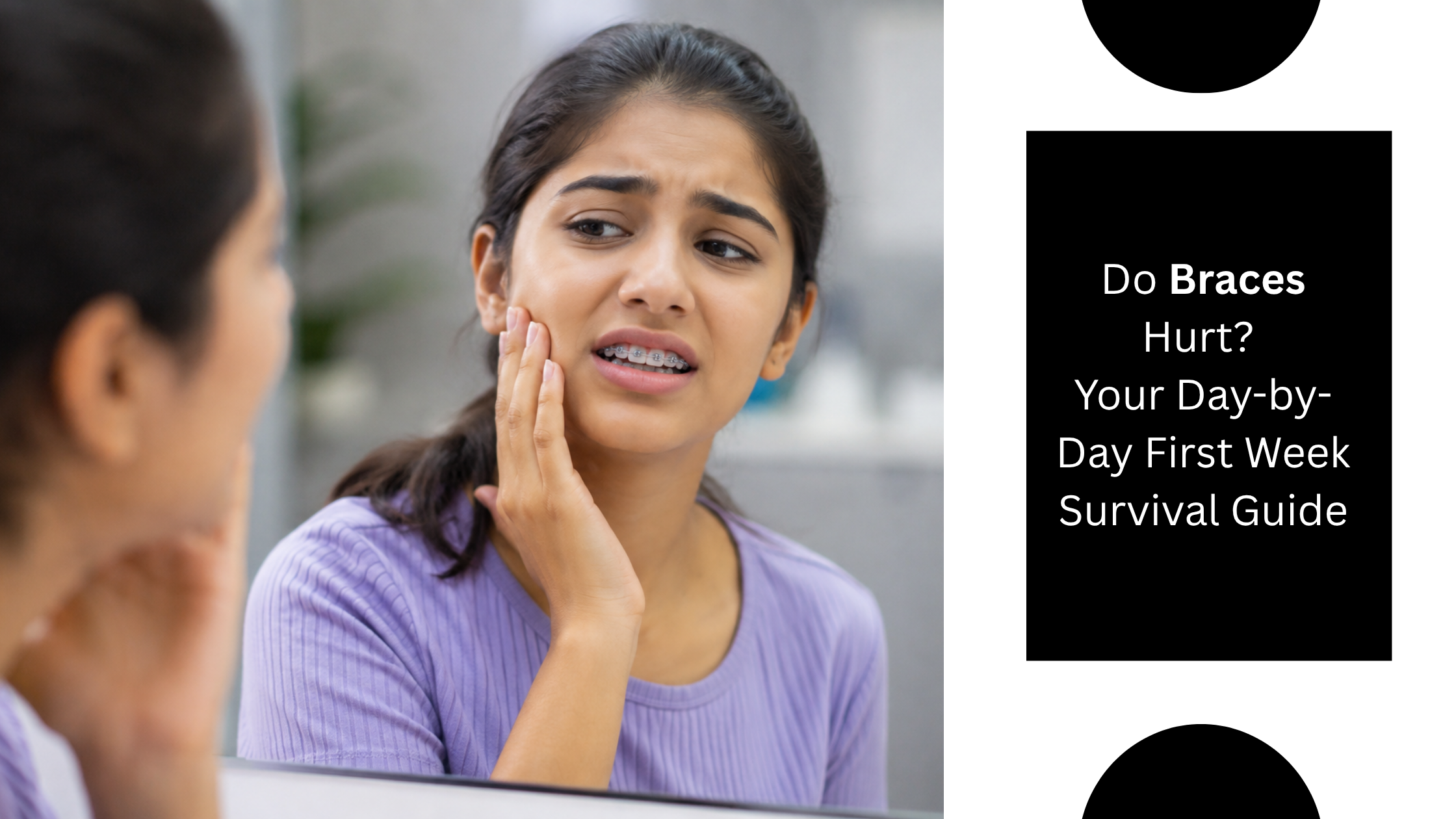
The soreness starts later, usually a few hours after you leave the clinic, once your teeth start feeling the pressure from the wire. That’s the part everyone means when they ask “do braces hurt.”
Day-by-Day: What to Expect in Your First Week
Every mouth is different, but most people follow a similar pattern. Here’s what to expect.
Day | What You’ll Feel | What Helps |
|---|---|---|
Day 1 (day of appointment) | Little to no pain yet; teeth feel “different” or tight | Nothing needed yet — this is normal |
Day 2–3 | Peak soreness; teeth ache, especially when chewing | Soft foods, OTC pain reliever, cold water |
Day 4–5 | Soreness starts easing; cheeks/lips may feel irritated from brackets | Orthodontic wax on any poking spots |
Day 6–7 | Mild tenderness only; mouth adjusting to brackets | Return to most normal foods, avoid very hard/sticky items |
After Week 1 | Most people feel back to normal until the next adjustment | Regular oral hygiene routine |
If your pain is still sharp and constant by day 5 or 6, that’s worth a call to your orthodontist, more on that below.
Why Do Braces Cause Soreness?
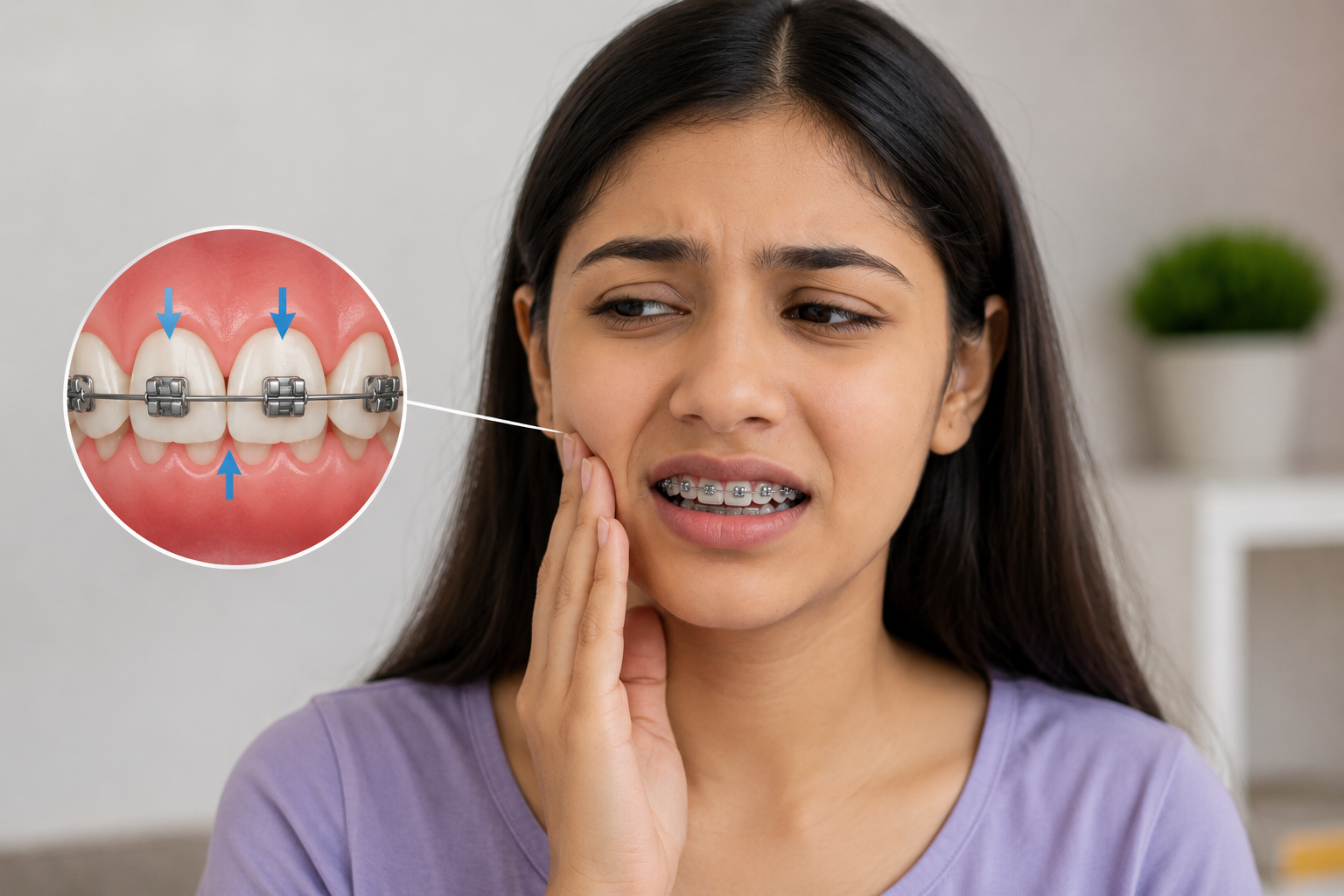
Braces work by applying gentle, constant pressure that slowly shifts your teeth. Your teeth aren’t used to that pressure, so the ligaments holding them in place react, and that reaction is what you feel as soreness. It’s a sign the treatment is working, not a sign something’s wrong.
This is also why soreness tends to fade on its own within a few days. Once your ligaments adjust to the new pressure, your body simply gets used to it, until the next adjustment starts the process again, usually at a milder level than the first time.
(For more on how each type of braces works, see our Orthodontics & Braces page.)
How to Relieve Braces Pain
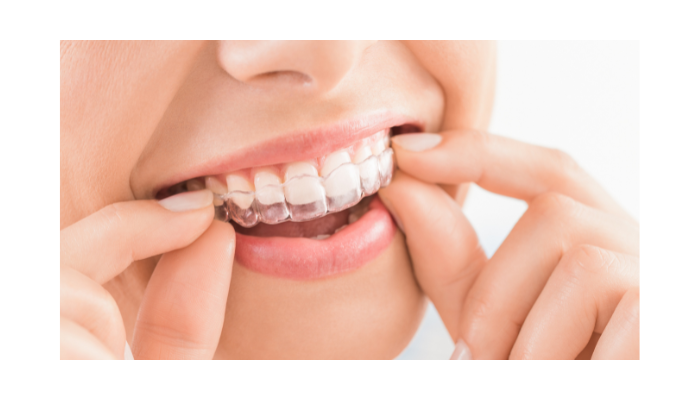
A few simple habits make the first week much more manageable.
- Over-the-counter pain relief — a standard pain reliever, taken as directed on the packaging, can take the edge off. Ask your pharmacist or orthodontist which one suits you if you’re unsure.
- Cold foods and drinks — cold water, yogurt, or ice cream can numb soreness temporarily.
- Saltwater rinse — swishing warm salt water a few times a day soothes irritated gums and any small cuts inside your mouth.
- Orthodontic wax — a small dab over any bracket that’s rubbing your cheek or lip stops the irritation immediately.
- Soft-bristled toothbrush — gentle brushing avoids extra irritation on already-tender gums.
Orthodontic Wax: What It Is and How to Use It
Orthodontic wax is a small, soft wax ball your orthodontist gives you at your first appointment. It’s there to solve one specific problem: brackets or wire ends rubbing against the inside of your cheek or lip.
To use it: dry the bracket that’s bothering you, pinch off a small pea-sized piece of wax, and press it over the bracket. It stays in place through eating and talking, and you simply replace it when it wears off or falls out. Keep a spare pack in your bag, you’ll be glad to have it during the first couple of weeks.
What to Eat in the First Week
Chewing puts direct pressure on already-sore teeth, so softer foods make a real difference in the first week.
Eat This | Avoid This |
|---|---|
Yogurt, smoothies | Hard candy, nuts |
Mashed potatoes | Crunchy chips, popcorn |
Scrambled eggs | Sticky caramel or toffee |
Soft-cooked pasta | Corn on the cob |
Soup | Hard rolls, crusty bread |
Rice and dal | Whole apples or raw carrots (cut them small instead) |
Ice cream | Chewing gum |
You don’t need to stay on soft foods forever, just through the sorest few days. After that, most people can gradually return to their normal diet, avoiding only the hardest and stickiest items throughout treatment.
Mouth Irritation from Braces
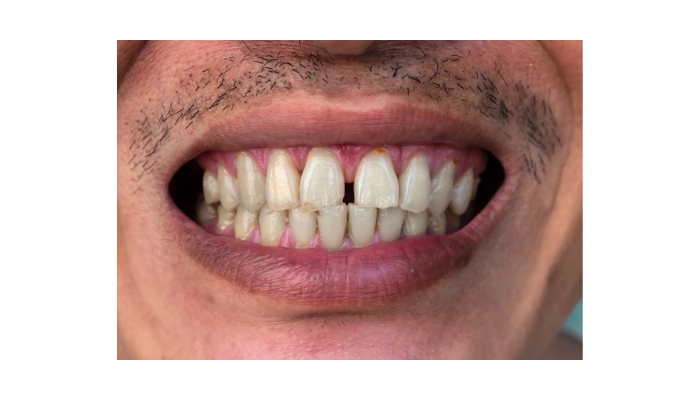
Along with tooth soreness, it’s common for the inside of your cheeks and lips to feel raw for the first week or two, simply from getting used to the brackets. Orthodontic wax and a saltwater rinse handle most of this. If a spot becomes genuinely painful or doesn’t improve with wax, that’s worth mentioning to your orthodontist at your next visit.
How Long Does Braces Pain Last?
For most people, the sharpest soreness lasts 3 to 5 days after braces first go on. After that, it fades to mild tenderness, then disappears until your next adjustment. Each adjustment visit afterward brings a smaller, shorter round of soreness, usually 1 to 3 days, as your mouth is now used to the sensation.
When Should You Call Your Orthodontist?
Some discomfort is expected. These signs are not, and are worth a call:
- Pain that’s severe or getting worse instead of easing after 5–7 days
- A wire poking sharply into your cheek that wax doesn’t fix
- A bracket that’s come loose or broken
- Swelling, bleeding, or signs of infection
- Any signs of an allergic reaction after treatment
Your orthodontist would rather get a quick call than have you push through something that’s not normal.
Adjustment Pain vs. New Braces Pain
The first week with braces is usually the most uncomfortable, since your mouth has never felt this kind of pressure before. After that, every future adjustment visit brings a smaller version of the same feeling, your orthodontist tightens or changes the wire, and your teeth feel it for a day or two before settling down again.
Most patients find each round of adjustment soreness gets easier to handle than the last, simply because you know what to expect and already have your relief routine, wax, soft foods, cold water, ready to go.
Tips for a Smoother First Week
A little preparation before your appointment goes a long way.
- Stock your fridge with soft foods before you get braces on, so you’re not scrambling on day one.
- Keep wax within reach — your bag, your car, your bedside table.
- Brush gently but don’t skip it — soreness is not a reason to skip oral hygiene; a soft brush and a gentle hand work fine.
- Set a reminder for pain relief if you know evenings are worse for you, rather than waiting until discomfort peaks.
- Give it a full week before judging how you feel — most people are surprised how much better day 7 feels compared to day 2.
Why Choose Wonder Smile for Your Orthodontic Treatment
Dr. Jay Khatri and the team at Wonder Smile walk every patient through exactly what to expect before treatment starts, including the honest truth about the first week. You’ll leave your first appointment with orthodontic wax, clear aftercare instructions, and a direct line to the clinic if anything feels off.
Book a consultation with Dr. Jay Khatri to start your orthodontic journey with a clear idea of what to expect.
Frequently Asked Questions (FAQs)
1. Do braces hurt when they are put on?
No. The process of fitting braces isn’t painful. Soreness usually starts a few hours later, once the wire begins putting pressure on your teeth.
2. How long does braces pain last?
The sharpest soreness usually lasts 3 to 5 days after braces first go on. After each future adjustment, expect a shorter, milder round of soreness, often just 1 to 3 days.
3. What can I eat in the first week?
Stick to soft foods like yogurt, mashed potatoes, soup, scrambled eggs, and soft pasta. Avoid hard, crunchy, or sticky foods until the soreness eases.
4. How do I relieve braces soreness?
Try an over-the-counter pain reliever as directed on the label, cold foods or drinks, a warm saltwater rinse, and orthodontic wax over any bracket that’s rubbing your cheek or lip.
5. When should I call my orthodontist about pain?
Call if pain is severe or worsening after a week, a wire is poking sharply and wax doesn’t help, a bracket breaks or comes loose, or you notice swelling, bleeding, or signs of infection.