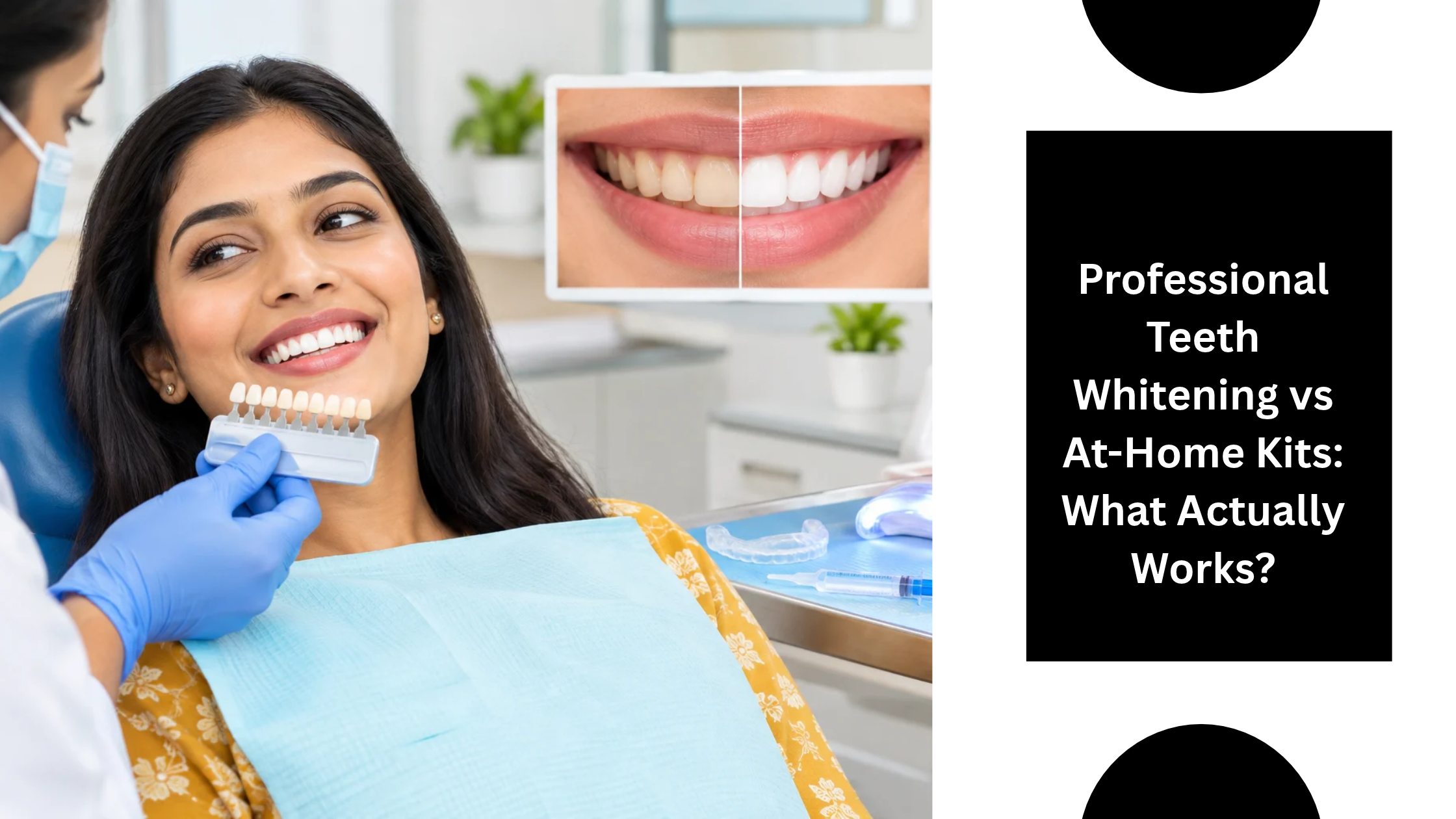
Professional Teeth Whitening vs At-Home Kits: What Actually Works?
If you’re considering brightening your smile, you’ve probably scrolled through dozens of whitening options, strips, gels, LED kits, and professional treatments. They all promise results, but the real question is: which ones actually deliver?
The answer isn’t as simple as “professional is always better.” It depends on what type of stains you have, how quickly you need results, your budget, and whether your teeth are sensitive. Let’s break down what actually happens when you whiten teeth, why professional treatments work differently, and how to choose what’s right for you.
How Teeth Actually Get Stained (And Why It Matters in Pune)
Before comparing whitening methods, it helps to understand what causes tooth discoloration in the first place.
Your teeth have two layers that matter for whitening: enamel (the hard, outer shell) and dentin (the softer layer underneath). Over time, dark pigments from coffee, tea, red wine, and some stains sit on the surface (extrinsic), while others settle deep in the structure of the tooth (intrinsic).
If you’re in Pune and consume pan or gutka regularly, you’re likely familiar with how quickly these can stain teeth. Pan and betel nuts contain tannins that create stubborn, deep stains that at-home kits struggle to remove. Even Pune’s tap water can contribute to staining over time, the minerals in hard water can leave deposits on enamel.
Age also plays a role. As you get older, enamel naturally thins, revealing more of the yellowish dentin beneath. Certain medications and injuries can cause intrinsic stains that surface whitening alone won’t fix. Understanding your stain type matters because not all whitening methods tackle both types equally.
At-Home Whitening Kits: What You’re Actually Getting
At-home whitening includes several options: whitening strips, trays, gels, paint-on applicators, and LED kits. They’re attractive because they’re affordable, convenient, and you control the timing.
How they work: These products contain peroxide-based bleaching agents, typically at 3–7% concentration. The peroxide breaks down stains by oxidizing the pigment molecules. Since the concentration is lower than professional treatments, the process is slower but gentler.
Timeline to results: Expect 2–4 weeks of consistent use to see noticeable whitening. Some people see slight changes within a week, but dramatic results usually take longer. You’ll need to repeat applications because the effect fades over time.
Why they have limits: Generic trays don’t fit your mouth exactly, so the whitening gel can contact your gums unevenly, causing irritation. Inconsistent coverage also means some teeth may whiten more than others. For deeper, intrinsic stains, the kind caused by pan staining, tea drinking, or internal issues, at-home kits are often ineffective.
Cost: ₹1,500–₹4,000 depending on the product, making this the budget-friendly option. You can find these easily online or at chemist shops across Pune.
Best for: Surface stains from lifestyle habits (coffee, tea), minor discoloration, people without sensitive teeth, those needing flexibility in scheduling.
Professional Teeth Whitening: The Science Behind the Strength
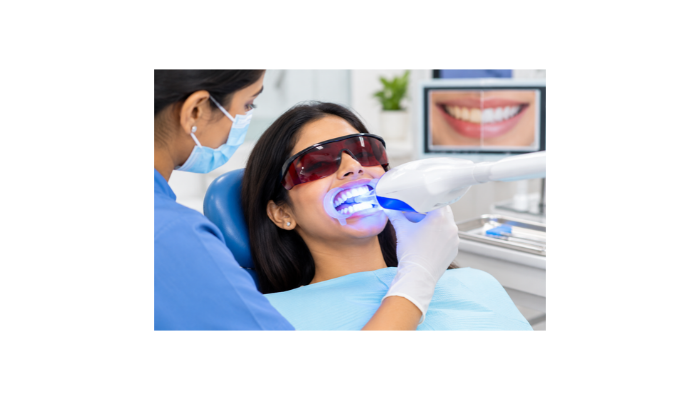
Professional teeth whitening happens in a dental office under supervision. The dentist applies a bleaching agent with a peroxide concentration of 25–45%, sometimes higher. The difference in concentration is the key reason results differ so dramatically.
How it works: The higher peroxide concentration penetrates enamel more effectively, reaching both extrinsic and intrinsic stains. Many professional systems use a light or laser to accelerate the bleaching process, though the science on whether light significantly improves results is mixed. Regardless, the high concentration does the heavy lifting.
At a dental clinic in Pune like Wonder Smile, professional whitening uses advanced equipment to ensure even application and faster results compared to budget options available at chemist shops.
Timeline to results: Most people see teeth 2–8 shades lighter after a single 30–60 minute appointment. Some treatments involve multiple sessions spaced days apart for even better results. It’s the dramatic, fast option, important if you have an upcoming wedding, interview, or social event.
Custom trays: Dentists can create custom-fitted trays from impressions of your teeth. These fit perfectly, ensuring even whitening and minimal gum contact. You can then use these trays at home with professional-grade gel for maintenance, bridging the gap between in-office power and at-home convenience.
Safety and sensitivity: Because professionals oversee the process, they can monitor your gum health and manage sensitivity before it becomes uncomfortable. They may apply a desensitizing gel beforehand or use gentler formulations if you have sensitive teeth. This supervision reduces the risk of over-bleaching or gum damage.
Cost in Pune: Professional in-office whitening typically ranges from ₹8,000–₹20,000 depending on the clinic and technology used. Custom take-home trays with professional-grade gel cost ₹4,000–₹10,000. While this seems higher than at-home kits, results last longer, so you need fewer repeat treatments over a year.
Best for: Deep or stubborn stains (especially pan staining), people needing dramatic results quickly, those with sensitive teeth (with professional guidance), important events, intrinsic staining.
Side-by-Side Comparison
| Factor | At-Home Kits | Professional (Pune) |
| Peroxide concentration | 3–7% | 25–45% |
| Results timeline | 2–4 weeks | 1 appointment |
| Shade improvement | 1–3 shades | 3–8 shades |
| Cost | ₹1,500–₹4,000 | ₹8,000–₹20,000 |
| Sensitivity risk | Moderate to high | Low (with supervision) |
| Effectiveness on deep stains (pan, tea) | Poor | Excellent |
| Convenience | High | Requires appointment |
| Custom fit | No (generic trays) | Yes (custom trays) |
| Results longevity | 3–6 months | 6–12 months |
What About Sensitivity?
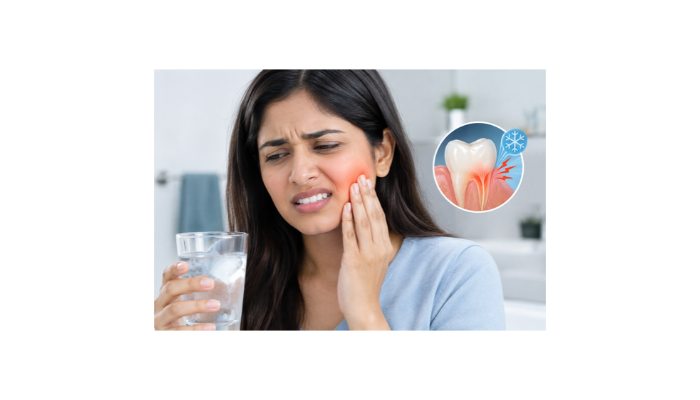
Tooth sensitivity during and after whitening is common but manageable, and not a reason to avoid either option.
Whitening can cause sensitivity because peroxide temporarily opens pores in your enamel, making teeth more reactive to temperature and pressure. With at-home kits, overuse or prolonged contact with gums worsens sensitivity. Many people stop using at-home products because of this discomfort.
Professional treatments minimize this through expert application, shorter contact time, and the option to apply desensitizing agents before or after treatment. If your teeth are already sensitive, tell your dentist beforehand. They can use a gentler protocol, apply fluoride treatments to strengthen enamel, or recommend a desensitizing toothpaste to use before your appointment.
How Long Do Results Last? (And Why Pune Weather Matters)
This matters because it affects the true cost over time.
At-home results: Typically fade after 3–6 months with regular tea or coffee consumption. In Pune, especially during summer, if you’re drinking more cold beverages and consuming iced coffee or flavored drinks, results fade faster. You’ll need to reapply products monthly or quarterly to maintain whiteness. Over a year, multiple kits add up in cost and effort.
Professional results: Last 6–12 months on average, longer if you’re careful with staining foods and drinks. Many people do touch-up treatments once or twice a year. Professional results hold longer partly because the higher concentration creates a more dramatic initial change and the dental office can recommend maintenance strategies specific to your lifestyle.
If you’re a regular pan or chai drinker, professional results will fade faster than for someone who avoids staining foods. Discuss this with your dentist when planning your whitening strategy.
Realistic Expectations: The Number One Mistake
Here’s what nobody talks about: there’s a limit to how white teeth can become. Your natural enamel has a shade that’s lighter than most people think, but whitening can’t make teeth whiter than their natural enamel allows. Additionally, if you have crowns, fillings, or veneers, whitening won’t affect them, they’ll look different shades from your natural teeth.
The most common complaint after whitening isn’t poor results; it’s unrealistic expectations. Before choosing professional or at-home whitening, look at shade guides online and honestly assess whether your goal is realistic. A good dentist will show you before-and-after photos of real patients and explain what shade range is achievable for you specifically.
In Pune, many clinics have galleries of actual patient results, ask to see these before committing to treatment.
Making Your Decision
Ask yourself these questions:
Do you have deep or stubborn stains? Professional whitening is worth the cost. At-home kits won’t touch intrinsic staining (pan stains, tea stains) effectively.
Do you have an important event soon? Professional treatment is the only realistic option for fast results. If a wedding, engagement, or important meeting is coming up in the next month, at-home kits won’t get you there in time.
Are your teeth sensitive? Professional supervision protects your comfort. Start with professional treatment, and your dentist can create custom maintenance trays if you prefer at-home upkeep later.
Are you on a tight budget? At-home kits are affordable upfront, but factor in repeat applications every 3–6 months. Professional treatment may be cheaper over 12 months if results last longer and you only need one touch-up.
Do you want flexibility and convenience? At-home kits win, you control the timing and pace. This is useful if you travel frequently or have an unpredictable schedule.
Have previous whitening treatments disappointed you? A professional assessment can explain why and recommend a better approach. Sometimes the stain type requires a different strategy than general whitening.
Post-Whitening Care: How to Keep Your Smile Bright
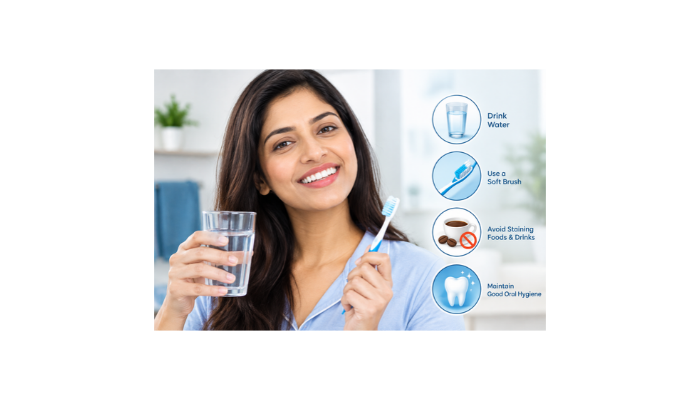
Regardless of which method you choose, your habits after whitening matter more than you’d expect.
For 48 hours after any whitening treatment, avoid dark foods and drinks (coffee, tea, red wine, pan, soy sauce, beets, dark curries). This isn’t forever, just the critical window when enamel pores are still open. After that, you can resume normal eating with some caution.
If you’re a regular chai or pan consumer in Pune, consider cutting back immediately after whitening, at least for the first week. Even small amounts of these can re-stain freshly whitened teeth quickly.
Brush with a whitening toothpaste and floss daily. Rinse your mouth after dark drinks. If you smoke or chew tobacco, consider quitting or at least delaying these habits after whitening treatments. Professional results fade faster in people who use tobacco products.
If your dentist gave you custom maintenance trays, use them as recommended, usually once a month or every few months. This keeps results consistent without the intensity of initial treatment.
The Bottom Line
At-home kits work for minor surface stains, tight budgets, and people who value convenience over speed. Professional whitening works for everyone else, especially anyone with deep stains (pan, tea, tobacco), sensitive teeth, or events they’re preparing for.
The best choice isn’t about choosing the “better” option; it’s about matching the method to your specific situation. If you’re unsure what type of staining you have or whether professional treatment is right for you, a quick dental consultation in Pune can clarify your options and create a plan tailored to your needs and goals.
Many dental clinics in Pune, including Wonder Smile, offer free consultations where you can discuss your staining concerns and get a customized whitening plan. This is worth doing before investing in any whitening method, professional guidance saves money and ensures better results.
Frequently Asked Questions (FAQs)
1. How does professional teeth whitening work?
Professional whitening uses high-concentration peroxide (25–45%) applied directly to your teeth in a dental office. The dentist may use a light or laser to speed up the bleaching process. The peroxide breaks down stain molecules in both the outer enamel and deeper layers of the tooth, producing dramatic results in one appointment. In Pune clinics, the entire process usually takes 30–60 minutes.
2. Is professional teeth whitening safe?
Yes, when done by a qualified dentist, professional whitening is safe. Your dentist monitors the process to prevent gum damage and manage sensitivity. They’ll assess your enamel health beforehand and adjust the treatment if you have sensitive teeth. Over-the-counter products used incorrectly carry higher risks of sensitivity and gum irritation because there’s no professional oversight.
3. How long does professional teeth whitening last?
Professional whitening typically lasts 6–12 months depending on your habits. If you drink a lot of coffee, tea, or consume a pan regularly, results fade faster. Many people in Pune maintain their brightness with touch-up treatments once or twice a year, which are quicker and cheaper than the initial treatment. Custom take-home trays provided by your dentist can extend results with monthly maintenance applications.
4. Why is professional teeth whitening more expensive than at-home kits?
Professional whitening costs more (₹8,000–₹20,000 in Pune vs. ₹1,500–₹4,000 for kits) because of the higher peroxide concentration, custom application tailored to your teeth, professional oversight to manage sensitivity, and faster results. While at-home kits seem cheaper upfront, professional treatment often delivers better value over 12 months because results last longer and you need fewer repeat applications.
5. Can I whiten my teeth if I have sensitive teeth?
Yes, but professional whitening is the better choice. A dentist can use a gentler protocol, apply desensitizing gel, and recommend pre-treatment care to minimize sensitivity. At-home kits carry higher sensitivity risk because there’s no professional guidance on application or timing. If your teeth are already sensitive, consult a dentist before starting any whitening treatment.
6. Will whitening remove pan stains?
Pan and betel nut stains are intrinsic (deep) stains that surface-level whitening often can’t remove completely. However, professional whitening with high peroxide concentration is significantly more effective than at-home kits. Your dentist can assess whether your pan stains will respond to whitening or if you need additional treatments like veneers or bonding for best results.